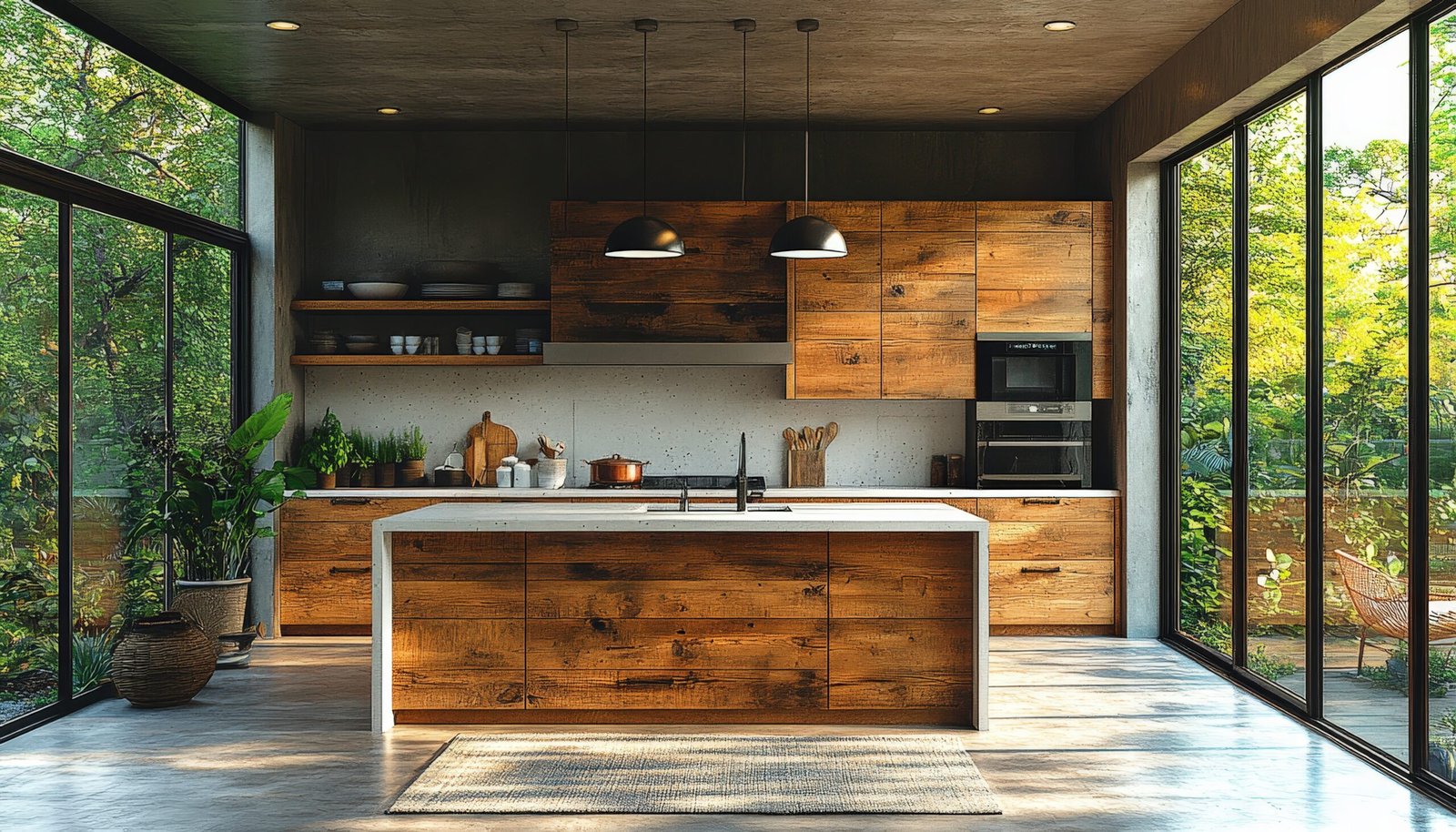
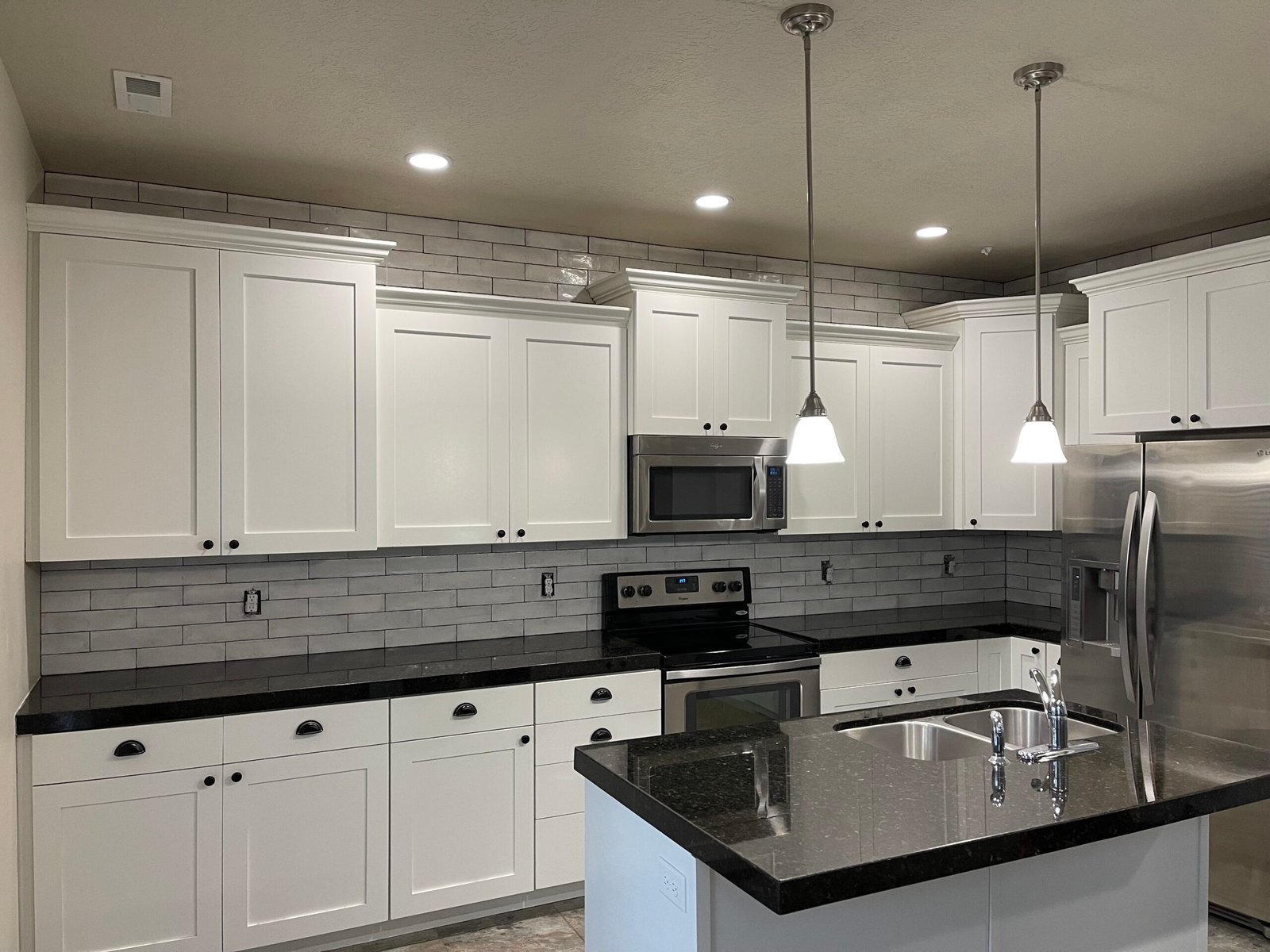
Choosing between white and dark kitchen cabinets changes more than the color of your kitchen. It influences how spacious the room feels, how light travels across the surfaces, how noticeable everyday fingerprints and stains become, and how much flexibility you have when selecting countertops, flooring, and other finishes. Cabinetry covers a substantial portion of the kitchen, so its color can determine the atmosphere of the entire room.
At Columbus Cabinets City, we generally recommend white or light cabinets when brightness and visual openness are priorities. Dark cabinets are worth considering when the homeowner wants greater depth, a richer appearance, or a stronger architectural statement. However, we would not rule out dark cabinetry simply because a kitchen is small, nor would we automatically recommend white just because it is considered a classic choice.
Before deciding between white or dark kitchen cabinets, consider the room’s natural light, layout, existing finishes, cleaning habits, and the kind of kitchen you want to live with for the next several years. Those practical considerations often make the decision much easier than comparing colors in isolation.
White Kitchen Cabinets vs. Dark Cabinets at a Glance
White cabinets generally reflect more light into the room, while dark cabinets absorb more light and give the cabinetry a stronger visual presence. Neither color is inherently more durable, functional, or expensive. Those characteristics depend on cabinet construction, material, finish quality, and the specific product being purchased.
| Comparison Factor | White Kitchen Cabinets | Dark Kitchen Cabinets |
| Room appearance | Bright, airy, and open | Rich, grounded, and dramatic |
| Natural light | Helps distribute available light | Benefits from adequate natural light |
| Small kitchens | Generally easier to coordinate | Requires thoughtful color distribution |
| Cleaning | Shows colored spills and stains | Shows dust, oils, and water marks |
| Scratches and chips | Visibility depends on underlying material | Light-colored damage may stand out |
| Countertop options | Highly versatile | Particularly attractive with contrasting surfaces |
| Lighting requirements | More forgiving in dim rooms | Benefits from layered lighting |
| Design flexibility | Neutral foundation for future updates | Creates a stronger design identity |
| Resale appeal | Generally broad | Depends on shade and overall design |
| Durability | Depends on material and finish | Depends on material and finish |
| Cost | Varies by cabinet line and finish | Varies by cabinet line and finish |
We use these differences as a starting point, not as fixed rules. A warm off-white cabinet behaves differently from a bright white one, just as a dark walnut cabinet has different visual and maintenance characteristics from a solid matte black cabinet.
Light vs. Dark Kitchen Cabinets: Understanding Your Color Options
The decision does not have to come down to pure white or solid black. Cabinet colors occupy a broad spectrum, and some of the most practical choices fall between those two extremes. Understanding the available shades can help you achieve the atmosphere you want without accepting every drawback associated with very light or very dark cabinetry.
Light Kitchen Cabinet Colors
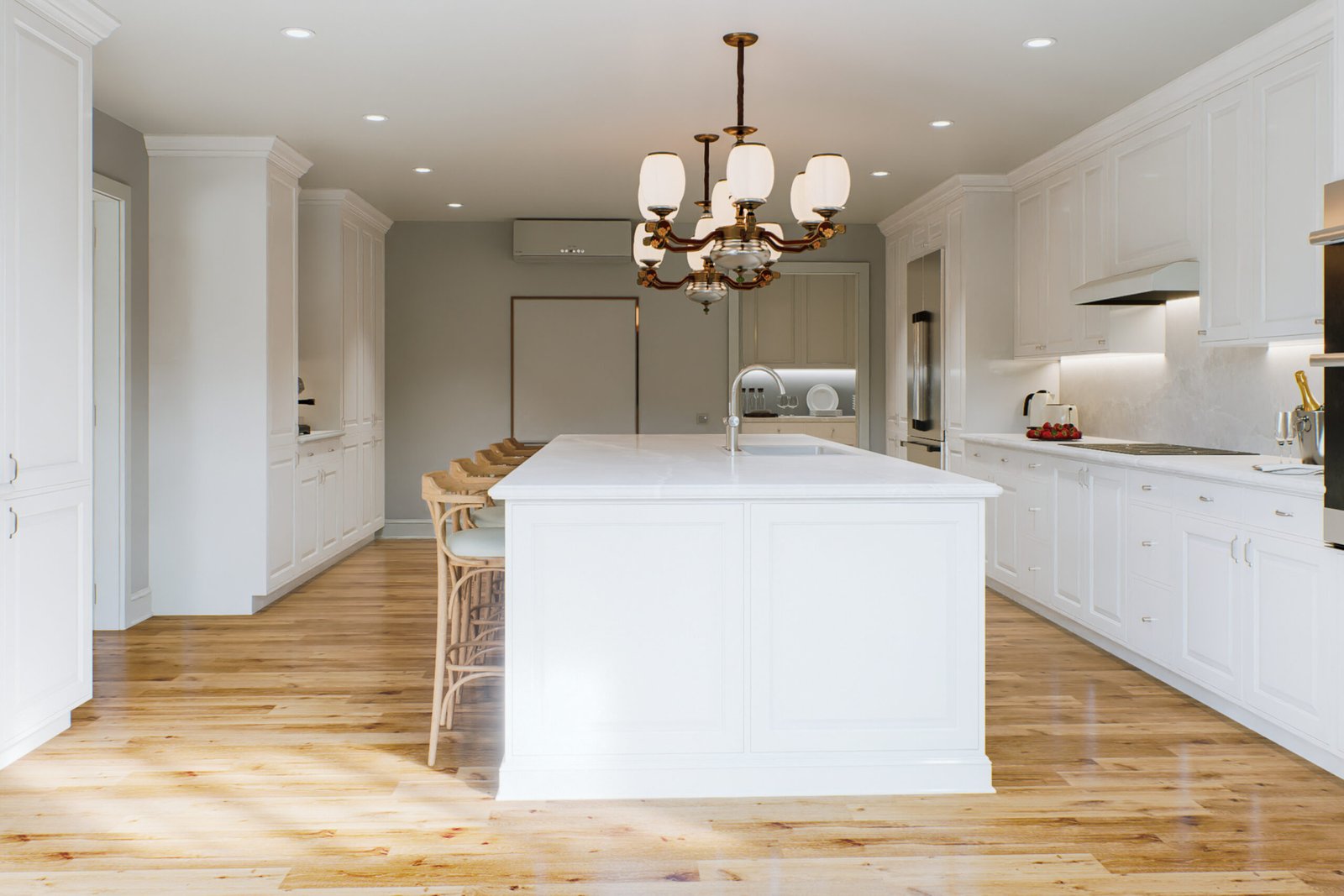
Light cabinetry includes bright white, ivory, cream, soft beige, light gray, greige, and natural wood finishes such as pale oak and maple. These colors generally help maintain brightness while offering different levels of warmth and texture. Natural wood and warm neutrals can be particularly useful when pure white feels too uniform or clinical.
If you like the openness of white cabinetry but want a warmer appearance, we suggest comparing soft white and light wood finishes before settling on a color. The difference can be substantial when the kitchen also contains stone countertops and wood flooring.
Dark Kitchen Cabinet Colors
Dark cabinetry ranges from black kitchen cabinets and charcoal to navy blue, deep green, espresso, dark walnut, and rich brown stains. These shades differ considerably in character. Black creates a sharper architectural appearance, walnut brings natural warmth, navy introduces color without becoming overly bright, and deep green can establish a softer, nature-inspired palette.
We recommend viewing these colors on full-size cabinet doors whenever possible. A small charcoal sample might look subtle, but the same finish across a refrigerator surround, pantry wall, and several upper cabinets can have a much stronger effect.
Medium-Tone Cabinets as an Alternative
Medium wood tones, taupe, mushroom, muted gray, and understated greens offer a practical alternative for homeowners who cannot decide between light and dark cabinetry. They introduce more color than white without creating the same visual weight as black or espresso cabinets. Depending on the finish, they can also make dust, minor marks, and everyday wear less noticeable.
Medium-tone cabinetry deserves particular consideration in busy family kitchens where the homeowner wants character but does not want to manage the visual demands of either extreme.
How Cabinet Color Affects Kitchen Size and Layout
The amount of cabinetry in a room can be just as important as the room’s actual square footage. A kitchen with extensive upper cabinets, a full-height pantry wall, and a large island has much more visible cabinet surface than an open kitchen with fewer wall cabinets. The same dark finish can therefore feel completely different in two similarly sized rooms.
Small Kitchens
In compact kitchens, white cabinets help reduce the visual boundaries between cabinetry, walls, and ceilings, particularly when those surrounding surfaces are also light. This can be helpful in narrow galley kitchens, enclosed layouts, and rooms where upper cabinets occupy most of the available wall space.
Dark cabinets can still work in a small kitchen, especially when they are concentrated below the countertop. Dark base cabinets paired with lighter walls or uppers allow homeowners to introduce their preferred color without surrounding the entire room with deep tones.
Large Kitchens
A large kitchen often has enough room to accommodate darker cabinetry without feeling enclosed. Dark cabinet runs can also help define different working areas, especially in open-plan homes where the kitchen connects directly to the dining or living room.
White cabinets remain equally suitable, although an extensive kitchen filled entirely with white cabinetry can benefit from natural materials and contrasting features. We might suggest a wood island, textured backsplash, distinctive stone countertop, or warmer flooring to introduce some variation across the larger space.
Kitchens with Low Ceilings
When a kitchen has a low ceiling, the upper portion of the room needs particular attention. Dark wall cabinets and tall pantry units can visually emphasize the limited ceiling height, especially if there is little separation between the cabinetry and ceiling.
Keeping upper cabinets close in color to the walls or ceiling can soften that transition. Homeowners who prefer dark cabinetry can introduce it through base cabinets, an island, or a smaller feature wall rather than using it on every vertical surface.
Natural and Artificial Lighting: What Changes with Cabinet Color?
We consider lighting before approving cabinet colors because the showroom rarely reproduces the conditions inside a homeowner’s kitchen. A cabinet door that appears rich and balanced under display lighting may look considerably darker in a room with small windows, shaded exposure, or limited ceiling fixtures.
White surfaces help redistribute available light, but they cannot correct poor lighting entirely. Dark surfaces require a more deliberate lighting plan because less light is reflected back into the room.
Natural Daylight
A kitchen receiving generous daylight has greater flexibility when it comes to darker cabinet colors. Natural light can reveal the grain in walnut, the subtle blue undertones in navy, or the green character of a deep painted finish that might otherwise appear almost black.
Rooms with limited daylight generally benefit from lighter cabinetry. In cooler natural light, however, an extremely bright white can sometimes look gray or stark. A soft off-white or warm neutral may produce a more comfortable result.
Under-Cabinet Lighting
Under-cabinet lighting is particularly valuable with dark upper cabinets because it illuminates the work surface directly rather than relying on ceiling lights to reach beneath the cabinetry. This improves visibility when chopping, preparing food, reading recipes, and cleaning countertops.
For white kitchens, the same lighting can highlight backsplash texture and countertop details. Regardless of cabinet color, we recommend incorporating useful task lighting into the kitchen plan before electrical locations and cabinet accessories are finalized.
Choosing the Right Lighting Temperature
The color temperature of artificial lighting affects how cabinet finishes appear after sunset. Warmer lighting can emphasize cream, beige, brown, and golden undertones, while cooler lighting can make white, charcoal, and blue finishes appear sharper.
Lighting around 2700K to 3000K generally creates a warmer residential atmosphere, while some homeowners prefer a more neutral 3500K appearance. Rather than choosing bulbs independently, compare the finished cabinet samples under the lighting temperature intended for the kitchen.
Which Cabinets Are Easier to Keep Clean: White or Dark?
Neither white nor dark cabinetry hides every kind of dirt. White cabinets reveal certain marks more readily, while dark cabinets make other types of residue more obvious. The idea that dark cabinets are automatically easier to maintain is one we would challenge when helping homeowners choose a finish.
The type of cooking you do, the cabinet surface, household activity, door profile, and cleaning routine have a greater effect on maintenance than color alone. See our guide to cleaning kitchen cabinets for everyday care.
Dirt and Stains on White Cabinets
White cabinetry makes colored food splashes, coffee marks, sauces, and accumulated grime easier to notice. The areas around trash pull-outs, sink cabinets, cooking surfaces, and frequently handled doors may therefore need more visible attention than lightly used cabinets.
There is also an advantage to noticing these marks early. Spills can be removed before they accumulate or affect the finish. A properly finished white cabinet does not necessarily become dirtier than a dark one; the same residue may simply be easier to see.
Dust and Fingerprints on Dark Cabinets
Dust, flour, dried water spots, and fingerprints can be surprisingly noticeable on black, charcoal, and other very dark surfaces. Oily fingerprints may become particularly visible when light strikes the cabinet at an angle, while pale dust creates a strong contrast against solid dark finishes.
Dark stained wood can be more forgiving than a uniform black finish because the grain introduces natural variation. Homeowners concerned about visible marks should compare textured and grained finishes alongside solid painted colors.
Matte, Satin, and Gloss Finishes
The finish sheen can change maintenance requirements even when the cabinet color remains identical. Glossy cabinets may emphasize fingerprints and smudges through reflected light, while matte finishes reduce reflections but can still show oils or rubbing marks depending on their surface properties.
Satin and low-sheen finishes often provide a useful middle ground. We recommend comparing actual finished doors and reviewing manufacturer care instructions because two matte black products, for example, may have very different resistance to fingerprints and cleaning.
White vs. Dark Kitchen Cabinets for Durability
Cabinet color does not determine structural strength. A white painted cabinet and a dark painted cabinet made with the same materials, construction, and coating system can have comparable durability. What changes is how noticeable damage becomes when it occurs and how the finish looks as it ages.
Scratches and Chipped Paint
Chips tend to stand out when the material beneath the coating contrasts strongly with the cabinet color. A light-colored substrate exposed through dark paint can be particularly visible, while dark marks or exposed brown wood may stand out against white paint.
Natural stained finishes can sometimes disguise minor surface damage more effectively because the wood already contains variations in tone. Nevertheless, deeper scratches, damaged corners, and exposed edges can affect any cabinet finish and should not be ignored.
Fading and Discoloration
Sunlight, heat, cooking residue, moisture, and the characteristics of the coating can gradually change how a cabinet finish appears. Some white finishes may develop visible yellowing or discoloration, while darker finishes and wood stains can fade or change tone with prolonged light exposure.
When discussing how long kitchen cabinets last, we distinguish between the appearance of the finish and the condition of the cabinet itself. A faded door does not necessarily mean the cabinet has reached the end of its structural lifespan.
Painted vs. Stained Cabinetry
The choice between painted and stained cabinetry is especially relevant to this comparison. Painted cabinets provide a uniform color, making them suitable for white, black, navy, and green kitchens. Stained cabinetry retains visible wood grain and can introduce both light and dark tones without creating a completely uniform surface.
If long-term appearance is a priority, examine the finish system, edge protection, door material, and available touch-up products. These details are more useful indicators of performance than the color name alone.
White or Dark Kitchen Cabinets: Which Is More Expensive?
White cabinets are not automatically cheaper than dark cabinets, and dark cabinetry is not necessarily a premium option. When both colors belong to the same cabinet collection and use the same construction and finish system, their prices may be identical or very similar. Price differences become more noticeable when comparing painted finishes with premium wood species, specialty stains, custom colors, or different cabinet lines.
For example, a standard white Shaker cabinet may cost less than a dark walnut cabinet because walnut is a different material, not simply because it is darker. Similarly, a custom white painted cabinet may cost considerably more than a stock espresso cabinet.
When estimating how much kitchen cabinets cost, we recommend comparing equivalent cabinet configurations, construction, hardware, and accessories before determining whether one color is more affordable than another.
Which Cabinet Color Works Best with Different Countertops?
Cabinet and countertop colors should be selected together because they form two of the largest visible surfaces in the kitchen. The relationship between them determines where the strongest contrast appears and which material becomes the main design feature.
If you have already chosen a countertop, use its background color, veining, mineral movement, and undertone to narrow down the cabinetry. This is particularly important with natural stone, where individual slabs can vary considerably.
White Kitchen Cabinets with Light Countertops
White cabinets paired with white, cream, beige, or light gray countertops create a continuous palette with relatively little visual interruption. This approach works particularly well when the homeowner wants a calm kitchen where natural wood accents, hardware, or backsplash texture provide the decorative interest.
However, combining several whites requires attention to undertones. A cool white quartz countertop can make creamy cabinets appear noticeably yellow. Our guide to popular countertops with white cabinets explores these material and color combinations in greater detail.
White Kitchen Cabinets with Dark Countertops
Dark countertops introduce a clear boundary between the white cabinetry and the working surface. Black granite, charcoal quartz, and darker natural stones can give an otherwise neutral kitchen a stronger visual identity without requiring dark cabinetry throughout the room.
We particularly like this approach when homeowners enjoy high contrast but want to keep their upper cabinets light. Depending on the stone pattern, white cabinets with black countertops can support anything from classic Shaker designs to streamlined contemporary kitchens.
Dark Kitchen Cabinets with White Countertops
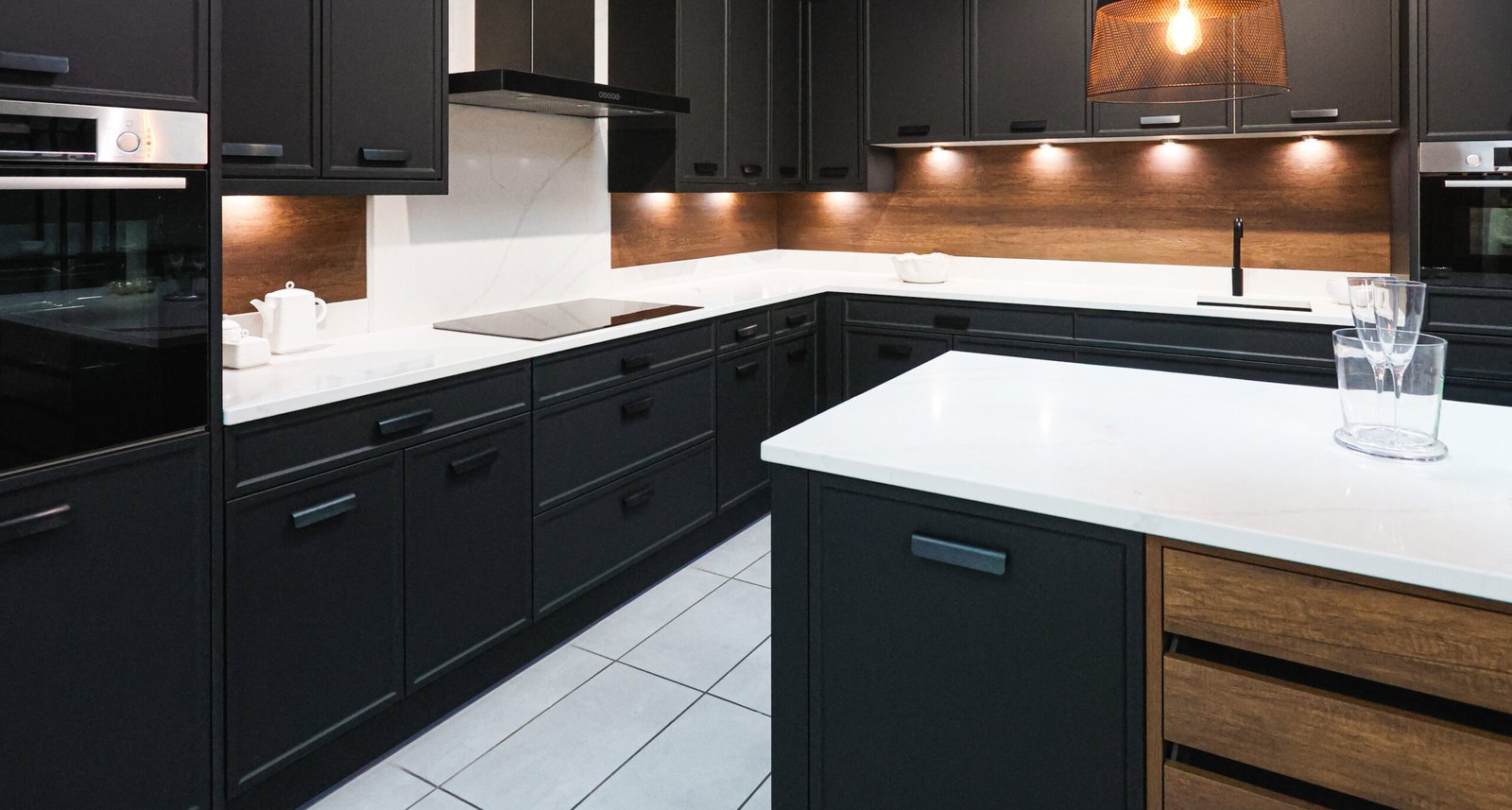
White countertops can prevent dark cabinetry from dominating the entire kitchen. They also create a clearly defined preparation surface and make details such as cabinet hardware, door profiles, and wood grain easier to appreciate.
With dark walnut, espresso, and other brown finishes, we pay close attention to the warmth of the countertop. A white surface with beige, gold, or taupe movement can complement rich wood more naturally than a strongly cool white. Homeowners considering natural finishes can explore our guide to wood cabinets with white countertops for more specific combinations.
Dark Kitchen Cabinets with Dark Countertops
Pairing dark cabinetry with dark countertops creates a more immersive and sophisticated appearance. Rather than establishing a sharp boundary between the work surface and cabinet fronts, the two materials blend into a deeper, more continuous palette.
We recommend introducing variation through material texture, finish sheen, stone movement, or subtle differences in color. For instance, charcoal cabinetry with a dark veined quartzite countertop can create more dimension than matching every surface to the same solid black. Good work-surface lighting is particularly important with this combination.
Backsplash, Flooring, and Hardware Considerations
Once the cabinet and countertop relationship has been established, the remaining finishes should support that decision. Choosing every material as an independent feature can leave the kitchen with too many competing colors, textures, and patterns. We prefer to identify which surfaces need to stand out and which should provide a quieter background.
| Design Element | With White Cabinets | With Dark Cabinets |
| Backsplash | Subway tile, natural stone, textured neutrals, muted colors | Cream tile, white stone, warm neutrals, contrasting patterns |
| Flooring | Natural oak, medium wood, warm porcelain, darker wood | Light oak, beige porcelain, limestone-look tile |
| Hardware | Black, brass, bronze, brushed nickel | Brass, champagne bronze, nickel, polished chrome |
| Wall colors | Greige, warm white, beige, muted green | Off-white, cream, soft gray, warm neutrals |
| Appliances | Stainless steel, black, white, panel-ready | Stainless steel, black, panel-ready |
These are suggested combinations rather than strict design rules. The actual undertones and textures should determine whether the finishes work together.
White vs. Dark Cabinets for Different Kitchen Styles
Cabinet color alone does not determine whether a kitchen looks modern, traditional, or transitional. The door profile, cabinet construction, architectural details, hardware, and material selection all contribute to the finished appearance. We can create a traditional kitchen with black cabinets just as easily as a contemporary kitchen with white cabinetry.
Modern Kitchens
White slab cabinets can create a streamlined modern kitchen, particularly when the cabinetry uses minimal hardware and consistent door alignment. Dark slab cabinetry takes the same architectural approach in a different direction, emphasizing strong horizontal lines and uninterrupted surfaces.
For homeowners who want additional detail without losing the contemporary appearance, slim Shaker doors in white oak, charcoal, or warm white offer another option. We generally avoid excessive decorative trim when the goal is a genuinely modern kitchen.
Traditional Kitchens
White and cream cabinetry can complement decorative molding, furniture-style islands, classic hardware, and traditional door profiles. Softer whites are particularly useful when the room contains warm wood floors, natural stone, or existing architectural details.
Dark cherry, walnut, and espresso-stained cabinetry can create a richer traditional kitchen where the natural wood finish becomes a central design feature. In this setting, darker cabinets often work best when their grain and craftsmanship are allowed to remain visible rather than being surrounded by too many decorative materials.
Transitional Kitchens
Transitional kitchens provide considerable freedom to use both light and dark cabinetry. A white Shaker perimeter with a dark island is one example, while navy cabinets with restrained white countertops and contemporary hardware offer another.
The simplicity of the cabinet door becomes especially important when traditional and modern details appear together. Our guide explaining what Shaker cabinets are covers how this door profile can be adapted through frame width, construction, finish, and overlay.
Farmhouse Kitchens
Warm white cabinetry works naturally with farmhouse details such as apron-front sinks, exposed wood, textured tile, and traditional hardware. Darker greens, navy, and brown wood finishes can also create a farmhouse kitchen without relying on the familiar all-white appearance.
We suggest using natural materials and practical architectural details to establish the farmhouse style rather than depending entirely on cabinet color. Excessive distressing, decorative signage, and unrelated rustic finishes can make the kitchen feel more themed than timeless.
Pros and Cons of White Kitchen Cabinets
White cabinetry is particularly useful when flexibility matters. It provides a relatively neutral starting point for future changes to countertops, hardware, paint, and decorative elements. However, maintaining a completely white kitchen can require more attention to surface appearance and material coordination than some homeowners expect.
| Advantages | Disadvantages |
| Makes limited natural light more effective | Colored stains and spills are more visible |
| Helps compact kitchens feel open | Poorly coordinated whites can clash |
| Accommodates many countertop colors | Can feel sterile without texture or warmth |
| Provides a flexible foundation for future updates | Discoloration may become noticeable over time |
| Generally appeals to a broad range of buyers | Touch-up paint can be difficult to match as finishes age |
Homeowners considering this option can compare our collection of white kitchen cabinets to see how different white finishes and door styles change the character of the cabinetry.
Pros and Cons of Dark Kitchen Cabinets
Dark cabinetry is especially valuable when the homeowner wants the cabinets themselves to contribute a substantial part of the room’s character. Dark finishes can highlight architectural proportions, emphasize natural wood grain, and create a more distinctive kitchen. The main considerations are how much dark surface the room can support and whether the selected finish suits everyday household use.
| Advantages | Disadvantages |
| Creates depth and a distinctive appearance | Can make poorly lit rooms feel enclosed |
| Highlights rich wood tones and grain | Dust and pale residue may be more visible |
| Provides strong contrast with light countertops | Light-colored chips can stand out |
| Can make large kitchens feel more intimate | May require additional lighting |
| Works well with metallic and natural accents | Very bold shades may limit future color changes |
Rather than avoiding dark cabinetry because of these disadvantages, we recommend choosing the right shade, surface finish, and placement within the room.
Are White or Dark Kitchen Cabinets Better for Resale Value?
Neutral white and off-white cabinets can appeal to a broad range of prospective buyers because they allow the next homeowner to personalize the kitchen without immediately replacing the cabinetry. This can be useful when remodeling a property that may be sold within the next few years.
Dark cabinets can also contribute to an attractive, high-quality kitchen, particularly when the finish suits the architecture of the home and works naturally with surrounding materials. Dark walnut, for example, can feel considerably more neutral than a highly specific painted color.
We would not recommend replacing attractive dark cabinets with white ones solely to increase resale value. Buyers also evaluate storage, layout, countertop condition, appliance quality, lighting, and the overall standard of the renovation. Cabinet color alone cannot guarantee a higher selling price.
Are White or Dark Kitchen Cabinets More Timeless?
A timeless kitchen is usually the result of well-coordinated materials and balanced proportions rather than one specific cabinet color. White cabinetry has remained relevant across different design periods, but rich natural wood and darker painted cabinetry also have long histories in residential kitchens.
What makes cabinetry appear dated is often the combination of elements around it. A particular door profile, stain, countertop pattern, backsplash, and decorative hardware may collectively reflect a specific design period.
For a kitchen intended to last many years, we recommend selecting a cabinet color that complements the permanent architecture and flooring of the home. Smaller elements such as hardware and lighting can then be updated without requiring a complete cabinet replacement.
Are White or Dark Kitchen Cabinets More Popular in 2026?
Kitchen design is moving toward greater warmth, natural materials, and more personalized color combinations. Soft whites, natural oak, medium wood tones, muted greens, and contrasting islands provide alternatives to the completely white kitchens that dominated many previous remodeling trends.
That does not mean white cabinets are going out of style or that dark cabinets have become the universal preference. Natural wood is receiving more attention, particularly in light and medium tones, while white continues to be a useful foundation for kitchens where brightness and flexibility matter.
At Columbus Cabinets City, we would not recommend selecting cabinetry solely because a particular shade is receiving more attention this year. Cabinets represent a long-term investment, and the color should continue working with the home after current design preferences change.
Can You Combine White and Dark Kitchen Cabinets?
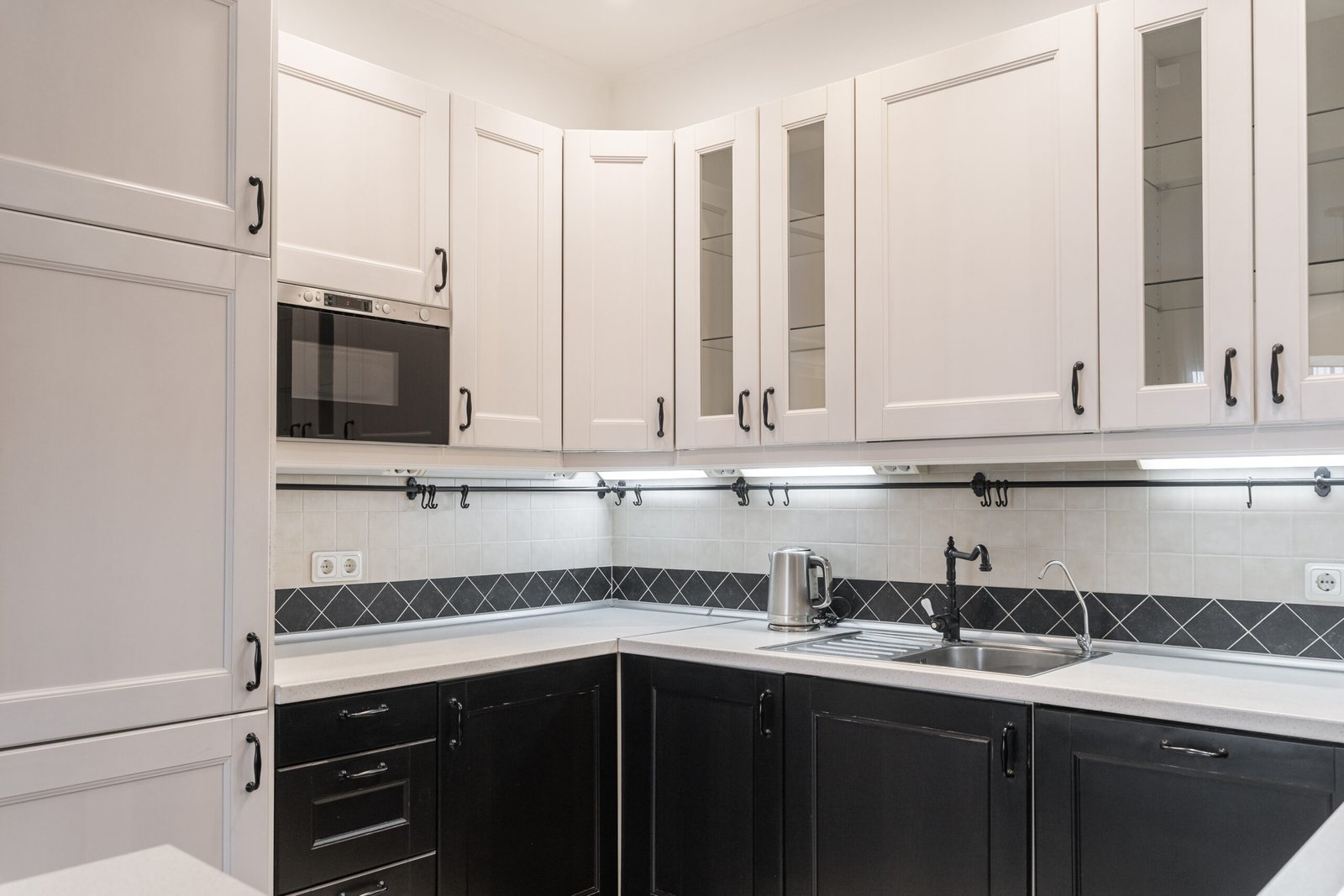
You do not have to choose one color for every cabinet in the kitchen. Two-tone cabinetry allows homeowners to introduce contrast while controlling how much of the room is occupied by darker finishes. It can also help distinguish different working areas or architectural features without changing the underlying cabinet style.
When designing a two-tone kitchen, we generally establish one primary cabinet finish and use the second color where it has a clear visual or functional purpose.
White Upper Cabinets with Dark Lower Cabinets
This arrangement keeps the cabinetry at eye level relatively light while introducing a stronger color below the countertop. It is particularly useful in kitchens where the homeowner wants navy, black, walnut, or deep green cabinetry but does not want dark upper cabinets surrounding the working area.
Darker lower cabinets may also make certain food stains and everyday marks less obvious in heavily used areas, although dust and water spots can remain visible depending on the finish.
White Perimeter Cabinets with a Dark Island
A dark island can become the central feature of a kitchen while the surrounding white cabinetry maintains a neutral background. This approach works well when the island is large enough to support a distinct color or natural wood finish without making the design feel fragmented.
Using the same door profile, countertop material, or hardware family across the island and perimeter can help maintain consistency. The island color can also be repeated in seating, lighting, or smaller decorative details.
Dark Perimeter Cabinets with a White Island
Reversing the combination creates a different visual arrangement. Dark perimeter cabinetry establishes the background of the room, while a white or light-colored island introduces contrast near the center.
This approach can work particularly well in larger kitchens with good lighting. We recommend checking how the island relates to the flooring and countertop because an extremely bright island surrounded by very dark cabinets may appear disconnected if the supporting materials do not link the two colors.
Combining White Cabinets with Dark Natural Wood
White painted cabinets and dark natural wood offer contrast in both color and texture. The wood provides grain and variation, while the painted cabinetry creates a more uniform surface. This can produce a more layered result than combining two solid paint colors.
A walnut island, dark wood pantry wall, or selected furniture-style cabinet can introduce richness without requiring an entirely dark kitchen. Matching the undertones of the wood, white finish, and countertop helps the different materials feel like part of the same design.
How to Choose Between White and Dark Kitchen Cabinets
Before ordering cabinets, we recommend working through the decision in the context of your actual kitchen. Photographs can help establish your preferred style, but they cannot reproduce the lighting, proportions, flooring, and architectural conditions of your home.
1. Evaluate Your Kitchen’s Existing Conditions
Look at window size, natural daylight, ceiling height, wall colors, flooring, and how much of the room will be covered by cabinetry. Identify which materials will remain after the remodel and which can be changed.
If you are keeping an existing floor or countertop, that surface should influence the cabinet color from the beginning. Selecting cabinetry first and trying to coordinate it afterward can unnecessarily restrict the design.
2. Consider Your Household’s Cleaning Habits
Think about which parts of the kitchen receive the most use and what types of marks are common. Households that cook frequently may deal with grease and food splashes, while kitchens with pets may have more visible dust and hair.
Rather than assuming one color will hide everything, compare cabinet finishes that make the most common types of residue less noticeable. Medium tones and natural grain are worth considering if easy everyday maintenance is a major priority.
3. Decide Where You Want the Main Design Feature
If you want a dramatic natural stone countertop to attract attention, neutral cabinetry may provide the better background. If the cabinet color or wood grain is intended to become the main feature, a quieter countertop can allow that detail to stand out.
Establishing this relationship early helps avoid purchasing several attractive materials that compete once they appear in the same room.
4. Compare Complete Cabinet Door Samples
A small color swatch cannot show how a finish behaves across a full cabinet door. The door profile, recessed areas, edge details, grain, and sheen all influence its appearance.
We recommend comparing full-size samples against countertop, flooring, and backsplash materials. View them vertically in the intended kitchen location, both during daylight and under artificial lighting. This gives you a more realistic impression before making a final commitment.
5. Consider How Long You Plan to Keep the Kitchen
If you expect to sell the property relatively soon, a broadly appealing neutral palette may be the more practical investment. If you are remodeling your long-term home, there is more reason to prioritize personal preferences and create the kitchen atmosphere you genuinely enjoy.
Neither approach requires sacrificing quality. The goal is to select a color that serves the intended use of the property rather than choosing a finish simply because it is popular.
Which Is Better: White or Dark Kitchen Cabinets?
For homeowners who are still undecided, we generally use the following decision framework.
| Your Main Priority | Recommended Cabinet Direction |
| Making a small kitchen feel more open | White or light cabinets |
| Improving the appearance of a dim kitchen | Warm white or light neutral cabinets |
| Creating a dramatic, sophisticated kitchen | Dark cabinets |
| Highlighting natural wood grain | Light oak, medium wood, or dark walnut |
| Making everyday marks less noticeable | Medium-tone or grained finishes |
| Maintaining flexibility for future updates | White or neutral cabinetry |
| Introducing contrast without darkening the entire room | White uppers with dark lowers |
| Creating a distinctive kitchen focal point | Contrasting dark or natural wood island |
| Preparing a home for resale | Broadly appealing neutral finishes |
Our recommendation at Columbus Cabinets City is to choose white cabinetry when you want a flexible, bright foundation and dark cabinetry when you want the cabinets to establish a stronger design identity. If both qualities matter equally, a carefully planned two-tone kitchen may be more suitable than either color used throughout the room.
Find the Right Cabinet Color for Your Kitchen
Choosing between white and dark kitchen cabinets comes down to how you want the room to look, feel, and function. Rather than treating white as the safe choice or dark cabinetry as the more luxurious option, consider the actual lighting, permanent finishes, household habits, and architectural features of your kitchen. The most successful color is the one that works with those conditions.
At Columbus Cabinets City, we help Columbus, Ohio homeowners compare cabinet finishes alongside countertops, hardware, storage configurations, and kitchen layouts. Whether you prefer a bright white kitchen, rich dark cabinetry, natural wood, or a combination of light and dark finishes, we recommend developing the complete material palette before finalizing your cabinet selection.
Frequently Asked Questions
White cabinets are generally better for maximizing brightness and creating a visually open kitchen. Dark cabinets are better when you want depth, richer color, and a more distinctive appearance. The right choice depends on lighting, room proportions, maintenance preferences, and the surrounding finishes.
Light cabinets are generally more forgiving in small or poorly lit kitchens. Dark cabinets can work particularly well in rooms with adequate lighting or when paired with lighter countertops and walls. Medium-tone cabinetry is another option if you want a balance between the two.
They can make a kitchen feel smaller because darker surfaces reflect less light and have a stronger visual presence. However, lighter surrounding finishes, appropriate lighting, and thoughtful cabinet placement can reduce this effect.
Not necessarily. Dark cabinets can conceal some colored stains, but dust, fingerprints, flour, and dried water spots may be more visible. White cabinets reveal different types of residue. Finish quality, texture, and sheen are also important.
Some white cabinet finishes may develop discoloration because of prolonged sunlight exposure, heat, cooking residue, or natural changes in the coating. Quality finishes, appropriate ventilation, and manufacturer-recommended cleaning can help maintain their original appearance.
Dark cabinets can show scratches when the material beneath the finish is significantly lighter. Natural dark wood with visible grain may disguise minor surface marks better than a completely uniform dark painted finish.
No. White cabinets remain a versatile design choice, although completely white kitchens are increasingly being replaced or complemented by warmer materials, natural wood, contrasting islands, and textured surfaces.
Yes. Dark walnut, navy, charcoal, deep green, and black cabinetry remain useful for creating richer and more personalized kitchen designs. Their success depends on the selected finish and how it works with the rest of the room.
Either arrangement can work. Light cabinets with darker flooring can ground the kitchen, while dark cabinets with lighter flooring can create contrast and maintain brightness. When both surfaces feature wood grain, a noticeable difference in tone often looks more intentional than an imperfect match.
Yes. Dark cabinets can work in small kitchens, particularly when used on lower cabinetry or an island. Keeping the upper portion of the room lighter and providing adequate task lighting can prevent the space from feeling enclosed.
Not automatically. Cabinet prices depend on the manufacturer, construction, material, finish, and customization. White and dark finishes within the same cabinet collection may have comparable prices.
Medium-tone colors, textured finishes, and natural wood grain often make everyday dust, minor stains, and fingerprints less noticeable than pure white or solid black cabinetry. No cabinet color eliminates the need for regular cleaning.
Yes. White upper cabinets with dark lower cabinets, white perimeter cabinetry with a dark island, and white cabinets combined with dark natural wood are all effective two-tone arrangements.