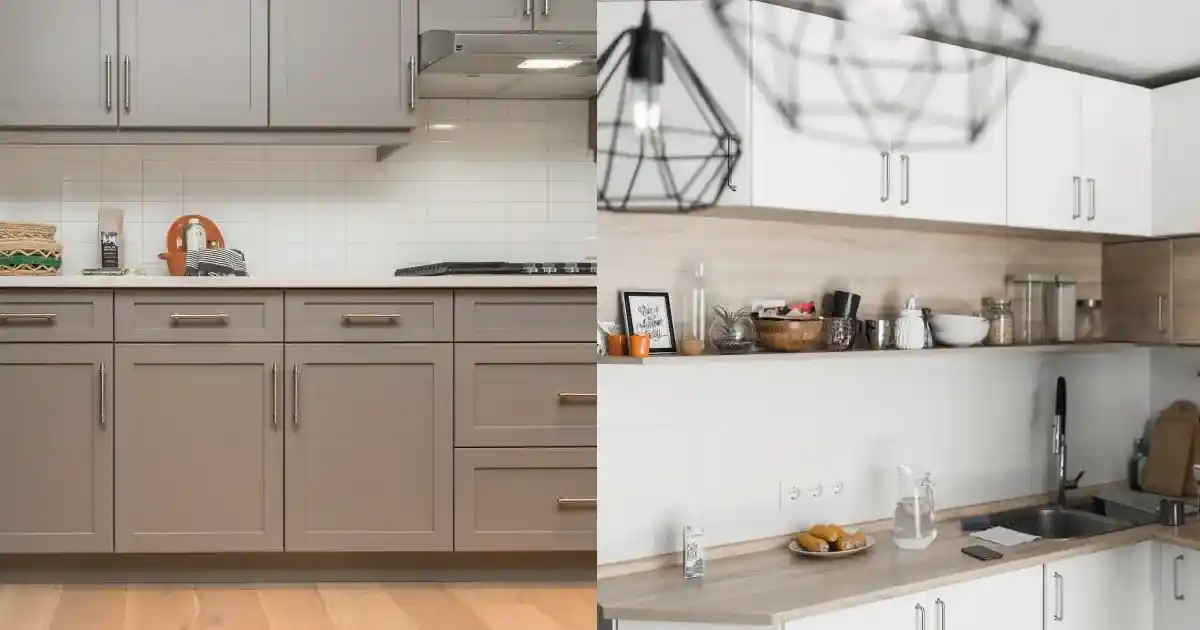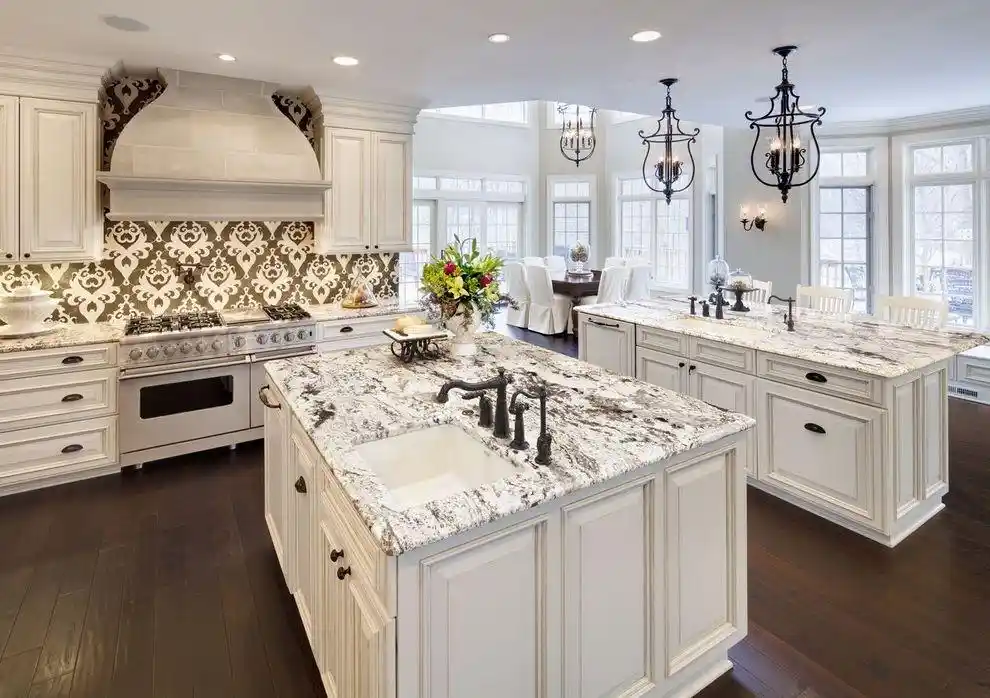

White kitchen cabinets give you more freedom when choosing a countertop than almost any other cabinet color. They can work with bright white quartz, dramatic black stone, warm beige surfaces, natural granite, marble, quartzite, and even wood. The challenge is not finding a countertop that works with white cabinets. It is choosing the combination that creates the look you actually want.
The best countertop depends on the shade of white in your cabinets, the amount of contrast you prefer, the lighting in your kitchen, and the other finishes in the room. A countertop that looks perfect beside warm ivory cabinets may feel slightly off next to a cool bright white.
This guide explores the most popular countertops with white cabinets, including white cabinets with white countertops, white cabinets with black countertops, quartz countertops with white cabinets, marble, granite, quartzite, gray surfaces, and warmer countertop colors. You will also learn how to coordinate the backsplash, flooring, hardware, and overall kitchen style.
What Countertops Look Best with White Cabinets?
The most popular kitchen countertops with white cabinets include white quartz, marble-look quartz, Carrara-style marble, black granite or quartz, gray stone, warm beige or greige countertops, quartzite, and natural granite. Each creates a different effect. Light surfaces make the kitchen feel bright and continuous, while darker countertops create stronger definition and contrast. Warm stone can soften white cabinetry and make the overall space feel more inviting. If you are leaning toward quartz, our quartz countertop pricing guide can help you budget for the look you want.
There is no single countertop that is best for every white kitchen. The right choice depends on whether your cabinets have warm, cool, or neutral undertones and how much visual contrast you want. Before choosing a slab, compare countertop samples directly against your cabinet finish in the actual kitchen lighting rather than judging the countertop by itself in a showroom.
Start by Understanding the White in Your Cabinets
White cabinets are not always a true neutral white. Some lean cool with blue or gray undertones, while others feel warmer because they contain cream, beige, or yellow undertones. Neutral whites sit somewhere between the two. Identifying this difference before selecting a countertop can prevent two individually attractive finishes from looking mismatched when placed next to each other.
A cool white cabinet usually works well with crisp white, gray, black, or cool-veined countertops. Warm white or off-white cabinetry often pairs more naturally with cream, beige, greige, brown, or stone containing warm gold veining. Neutral white cabinets provide the most flexibility and can usually support either warm or cool countertop directions depending on the backsplash, flooring, and hardware.
Cool White Cabinets
Cool white cabinets often look crisp and bright, especially in kitchens with stainless steel appliances or gray flooring. Countertops with white, charcoal, blue-gray, or soft gray movement can reinforce this clean appearance. If you use marble-look quartz, look for veining that feels balanced with the cabinet undertone rather than choosing a creamy slab that makes the kitchen cabinetry appear unexpectedly blue.
Warm White Cabinets
Warm white cabinets include shades such as ivory, antique white, cream, and softer off-whites. These cabinet colors pair naturally with countertops that contain beige, taupe, warm gray, gold, or brown movement. A warmer countertop can create a softer transition between cabinets, floors, and wood accents while avoiding the stark appearance that can sometimes occur when a bright cool-white surface is placed beside creamy cabinetry.
Neutral White Cabinets
Neutral whites are flexible enough to work with most countertop colors. White quartz creates a clean monochromatic design, black stone adds dramatic contrast, and gray or greige surfaces provide a balanced middle ground. Because neutral cabinetry does not strongly push the design warm or cool, the countertop can take the lead in establishing the overall mood of the kitchen.
White Cabinets with White Countertops

White cabinets with white countertops create one of the brightest and most seamless kitchen combinations. This approach works especially well in smaller kitchens, spaces with limited natural light, and interiors where you want the cabinetry and work surfaces to feel visually connected. The most successful white-on-white kitchens usually include subtle variation through veining, backsplash texture, hardware, wood accents, flooring, or changes in finish.
Avoid choosing the countertop based only on the word “white.” Place the countertop sample beside the actual cabinet door and compare the undertones. If one white is warm and the other is strongly cool, the difference may be more noticeable after installation. A white quartz or marble-look surface with subtle gray or warm veining can introduce enough movement to prevent the kitchen from feeling flat.
Pure White Countertops
A nearly solid white countertop creates a minimal, clean appearance with white cabinetry. This combination works particularly well with flat panel cabinets, simple hardware, and modern interiors. Because there is little color variation between the cabinets and countertop, other finishes such as the backsplash, flooring, pendant lights, or hardware can provide texture and visual definition.
White Countertops with Gray Veining
White countertops with soft gray veining are a popular option because they maintain the brightness of an all-white kitchen while adding movement and dimension. The veining can also help connect white cabinetry with stainless steel appliances, gray backsplash tile, or cooler flooring. Choose subtle veining for a quieter design or stronger movement when you want the countertop to become a focal point.
White Countertops with Gold or Warm Veining
Warm veining can make a white kitchen feel softer and more inviting. White countertops with beige, taupe, or gold movement work especially well with warm white cabinets, brass hardware, natural wood floors, and cream-colored backsplashes. This combination keeps the kitchen light while introducing warmth that prevents the room from feeling overly sterile.
White Cabinets with Black Countertops

White cabinets with black countertops create strong contrast and give the kitchen clear visual definition. The dark surface anchors the light cabinetry, making this pairing suitable for modern, transitional, traditional, and farmhouse-inspired kitchens. Black countertops can also help define an island or perimeter cabinetry when the rest of the room contains lighter finishes.
The overall design does not need to be strictly black and white. Natural wood, warm metals, textured tile, and softer wall colors can make the contrast feel more comfortable and layered. In kitchens with limited natural light, consider a black countertop with subtle veining or a softer honed appearance rather than using several highly reflective or extremely dark finishes throughout the room.
Black Quartz with White Cabinets
Black quartz creates a clean and controlled appearance because the color and pattern are relatively consistent. Depending on the slab, you can choose solid black, subtle speckling, or fine white veining. This pairing works well when you want the countertop to clearly contrast with the cabinets while maintaining a streamlined appearance.
Black Granite with White Cabinets
Black granite introduces natural mineral variation that can soften the sharp contrast between black and white. Some slabs appear almost solid from a distance, while others contain gray, silver, brown, or subtle reflective movement. A honed or leathered finish can create a softer surface appearance, while polished granite produces stronger reflection and deeper-looking color.
Black Countertops on the Island Only
If a full kitchen of dark countertops feels too heavy, consider using black or charcoal stone on the island while keeping the perimeter countertops lighter. This approach creates a focal point without surrounding the entire room with dark surfaces. It can also help connect black hardware, lighting, appliances, or window frames with the rest of the kitchen design.
Quartz Countertops with White Cabinets

Quartz countertops with white cabinets remain a practical and versatile combination because quartz is available in a wide range of colors and patterns. You can create an almost seamless white-on-white kitchen, imitate the appearance of marble with subtle veining, introduce warmer beige movement, or create contrast with gray and black quartz. This flexibility makes quartz suitable for many kitchen styles.
Engineered quartz surfaces are generally nonporous and designed for relatively simple routine maintenance, although manufacturers still recommend using cutting boards, protecting the surface from hot cookware, and following product-specific cleaning instructions. Because colors and patterns vary between brands and collections, compare full-size samples or slabs whenever possible rather than making a decision from a small image.
White Quartz with White Cabinets
White quartz works well when you want a bright and coordinated kitchen without the natural variation found in many stones. A nearly solid quartz creates a minimalist appearance, while soft gray or beige veining provides additional depth. Matching the cabinet and countertop whites exactly is not always necessary, but their undertones should feel intentional when viewed together.
Marble-Look Quartz with White Cabinets
Marble-look quartz is a popular choice for homeowners who like the visual movement of marble but prefer the characteristics of engineered quartz. Designs range from delicate gray lines to large dramatic veins inspired by natural stone. With white cabinetry, the amount of veining becomes an important design choice because bold movement can turn the countertop into the main focal point of the kitchen.
Gray Quartz with White Cabinets
Light and medium gray quartz create more contrast than white quartz without producing the dramatic effect of black. Gray countertops can work particularly well in contemporary and transitional kitchens and can help connect white cabinetry with stainless steel appliances or gray flooring. Pay attention to whether the gray leans blue, beige, or neutral so it coordinates with the cabinet white.
Warm Quartz with White Cabinets
Cream, beige, greige, and warm-veined quartz can soften bright white cabinetry and work well in kitchens with natural wood, brass fixtures, warm flooring, or earthy backsplash tile. These surfaces are also useful when the cabinets themselves are off-white or ivory because a warm countertop can create a smoother transition between finishes than a very cool white stone.
White Kitchen Cabinets with White Marble Countertops

White kitchen cabinets with white marble countertops create a classic combination with natural movement and variation. Marble such as Carrara-inspired or Calacatta-style stone can introduce gray, charcoal, beige, or gold veining while keeping the overall kitchen light. Because every natural slab is different, the exact pattern and tone can have a major influence on how the finished kitchen looks.
Marble also requires realistic expectations about care. Marble is a calcareous natural stone, which means acidic substances can affect its finish and cause etching. Homeowners who value the natural character of stone may consider these changes part of the material’s aging process, while those who prefer a more uniform surface may want to compare marble with marble-look quartz or other alternatives.
Carrara-Style Marble with White Cabinets
Carrara-style marble is generally associated with a softer white-to-gray background and finer gray movement. It can create an understated traditional or transitional look with white Shaker cabinets, polished nickel hardware, or classic tile backsplashes. The lower contrast keeps the kitchen calm while still giving the work surface natural character.
Calacatta-Style Marble with White Cabinets
Calacatta-style marble is typically selected when stronger veining or a more dramatic stone pattern is desired. White cabinetry allows the movement in the slab to stand out without competing with a strong cabinet color. Depending on the specific stone, gray, taupe, or gold veining can guide the choice of hardware, backsplash, and flooring.
How to Keep an All-White Marble Kitchen from Feeling Flat
Introduce contrast through texture rather than adding unnecessary colors. A handmade-look backsplash, warm wood floor, metal hardware, pendant lighting, or a darker island can give the room depth while allowing white cabinets and marble countertops to remain the foundation of the design. The natural variation in marble can also provide much of the visual movement the kitchen needs.
Gray Countertops with White Cabinets

Gray countertops offer a middle ground between white-on-white kitchens and high-contrast black-and-white designs. Light gray creates a soft separation between the countertop and cabinetry, while charcoal produces a stronger and more contemporary effect. Gray can be especially useful when the kitchen already contains stainless steel appliances, gray backsplash tile, or cooler flooring.
The key is choosing the right gray undertone. Some gray countertops lean blue or silver, while others contain beige or brown and read more like greige. Place the sample next to the cabinet finish and nearby flooring before making a final decision. A warm gray can soften an off-white cabinet, while a cool gray often works better with crisp white cabinetry.
Warm Beige and Greige Countertops with White Cabinets
Beige and greige countertops are useful when you want white cabinets without creating an entirely cool or monochromatic kitchen. These surfaces add subtle warmth and can coordinate naturally with hardwood floors, cream tile, brass hardware, natural woven textures, and warm lighting. They are particularly effective with off-white cabinetry because the transition between cabinet and countertop feels softer.
Greige combines characteristics of gray and beige, making it easier to connect both warm and cool elements within the same kitchen. Depending on the slab, it can contain taupe, cream, brown, or gray movement. This makes warm neutral countertops a versatile choice for transitional kitchens where the goal is a light space that still feels comfortable and layered.
Granite Countertops with White Cabinets

Granite countertops can give white cabinets more natural color, pattern, and texture. Granite is available in light, dark, and multicolored varieties, so the material can support everything from an understated white-and-gray kitchen to a stronger black, brown, or patterned design. Because granite is a natural material, slab selection is especially important when movement or mineral variation is prominent.
For a quieter appearance, look for granite with a relatively consistent background and controlled movement. For a more expressive kitchen, choose a slab with stronger veining or mineral contrast and allow the countertop to become the focal point. With highly patterned granite, keeping the backsplash simpler can prevent the surrounding finishes from competing with each other.
Quartzite Countertops with White Cabinets
Natural quartzite can be an attractive choice when you want natural stone with expressive veining and movement. Depending on the variety, quartzite may contain white, cream, beige, taupe, gray, gold, or darker mineral patterns. These tones can coordinate easily with white cabinetry while adding more organic variation than a highly uniform engineered surface.
Because individual natural-stone slabs vary considerably, select quartzite by viewing the actual material whenever possible. Look at the complete slab instead of focusing on one small sample so you understand how the movement will appear across an island or long countertop run. Also ask the fabricator or stone supplier about care and sealing recommendations for the specific stone you are considering.
Butcher Block and Wood Countertops with White Cabinets
Wood countertops provide warmth and natural texture that can balance the brightness of white cabinetry. The combination works particularly well in farmhouse, Scandinavian-inspired, transitional, and casual contemporary kitchens. Light woods keep the design soft and airy, while walnut and other darker woods create stronger contrast and can make an island feel like a piece of furniture.
You do not need to use wood across every countertop surface. A wood island paired with stone perimeter countertops can introduce warmth while keeping high-use sink and cooking areas finished in another material. Wood species, finish, maintenance requirements, and exposure to water should all be considered before deciding where a butcher block or wood surface will work best.
How to Choose Kitchen Countertops with White Cabinets
Choosing kitchen countertops with white cabinets becomes easier when you stop looking at the countertop as an isolated material. The cabinet shade, natural and artificial lighting, flooring, backsplash, hardware, appliances, and room size all influence how the countertop will appear after installation. A sample that looks warm in a showroom may appear cooler beside a specific cabinet finish at home.
Before making a final decision, narrow your choices to a few realistic options and compare them beside an actual cabinet door, flooring sample, and backsplash material. View them at different times of day if possible. This simple process can reveal undertone conflicts that are difficult to notice when each finish is selected separately.
Decide How Much Contrast You Want
Start by deciding whether you want the countertop to blend with the cabinets or stand apart from them. White and light countertops create continuity, medium gray or greige offers gentle contrast, and black or charcoal creates strong definition. There is no universally correct amount of contrast; the right choice depends on the mood and architectural style you want.
Consider the Size and Lighting of the Kitchen
Light countertops reflect more light and can help maintain an open appearance in smaller or darker kitchens. Dark surfaces create visual weight and may work especially well in rooms with generous natural light or large islands. That does not mean dark countertops cannot work in small kitchens, but the surrounding finishes and lighting should prevent the room from feeling overly heavy.
Coordinate the Flooring
Flooring often covers more visual area than the countertop, so it should be considered at the same time. Warm hardwood can balance cool white cabinetry, while gray or cool-toned flooring may coordinate naturally with gray-veined countertops. When several finishes contain strong patterns, choose one main feature and let the others remain quieter.
Plan the Backsplash with the Countertop
The backsplash sits directly beside the countertop, so the two finishes should work together rather than compete for attention. Dramatic countertop veining often looks best with a simpler backsplash, while a subtle countertop gives you more freedom to use patterned tile, textured ceramic, or stronger color behind the cabinets.
Coordinate Cabinet Hardware and Fixtures
Hardware can help connect the countertop with the rest of the room. Matte black hardware reinforces dark countertop accents, brass can highlight warm gold or beige veining, and nickel or chrome can work naturally with cooler gray-and-white designs. The finishes do not need to match every countertop color exactly, but they should feel intentional within the overall palette.
Best Countertop Pairings by Kitchen Style
White cabinetry can fit almost any kitchen style, but the countertop often determines whether the final room feels traditional, modern, farmhouse, transitional, or luxurious. Instead of choosing a surface simply because it is popular, think about the character you want the kitchen to have and select the countertop material, color, movement, and finish accordingly.
For modern kitchens, white or gray quartz, black surfaces, and simple patterns can reinforce clean lines. Traditional kitchens often work well with marble, granite, or softly veined stone. Farmhouse kitchens can benefit from butcher block, warm stone, or honed finishes, while transitional kitchens offer the most flexibility and can combine classic cabinet profiles with contemporary countertop patterns.
Should the Island Countertop Match the Perimeter Countertops?
The island does not have to match the perimeter countertops. Using one countertop throughout the kitchen creates consistency and can make a smaller space feel more unified, but changing the island surface can create a natural focal point. A black, wood, or strongly veined island countertop can add contrast when the perimeter uses a quieter white or light-gray material.
If you mix countertops, look for at least one shared element between the two surfaces, such as a similar white background, warm undertone, gray vein, or connection to the cabinet hardware. This keeps the combination intentional. Avoid choosing two highly dramatic surfaces with unrelated patterns, as they can compete for attention in the same room.

Common Mistakes When Pairing Countertops with White Cabinets
The most common mistake is assuming that every white surface automatically works with every white cabinet. Undertones can make two whites look noticeably different once they are installed next to each other. Other problems occur when homeowners choose the countertop without considering the backsplash, flooring, lighting, or amount of pattern already present in the kitchen.
Another mistake is selecting every element as a focal point. Dramatic countertops, strongly patterned backsplash tile, bold flooring, statement hardware, and decorative cabinet details can overwhelm one another when used together. Decide which surface should lead the design, then allow the surrounding materials to support it. A coordinated kitchen does not require every finish to match, but the colors and patterns should have a clear relationship.
Which Countertop Is Best for Your White Kitchen?
For a bright, simple look, white quartz or a lightly veined white countertop is one of the easiest pairings with white cabinets. If you want stronger contrast, black granite or black quartz can give the cabinetry more definition. Gray and greige countertops provide a softer middle ground, while marble and quartzite introduce natural movement and individual slab character.
The best countertop is ultimately the one that fits both your design and the way you use the kitchen. Consider maintenance expectations, heat and scratch precautions, natural variation, finish, lighting, and budget along with color. Bring the cabinet finish into the countertop selection process instead of choosing the stone first and hoping the whites work together afterward.
Find the Right Countertop for Your White Cabinets
White cabinetry gives you a flexible foundation, but the countertop determines whether the kitchen feels bright, dramatic, warm, classic, or modern. White quartz creates a clean continuous look, black stone adds contrast, gray and greige provide balance, and marble or quartzite can introduce natural movement. The best combination is the one that coordinates with the specific white in your cabinets and the other finishes throughout the room.
If you are planning a kitchen in Columbus, Ohio, Columbus Cabinets City can help you compare white kitchen cabinets, countertop materials, colors, and complementary finishes in one place. Seeing cabinet and countertop samples together can make it much easier to choose a combination that works with your kitchen layout, lighting, flooring, backsplash, and overall design.
Frequently Asked Questions About Countertops with White Cabinets
Choosing between so many countertop materials and colors can be difficult because white cabinetry works with almost everything. The questions below address some of the most common decisions homeowners face when comparing white, black, quartz, marble, gray, and other kitchen countertops with white cabinets.
What Is the Most Popular Countertop with White Cabinets?
White and lightly veined countertops remain among the most common pairings because they maintain the bright appearance of white cabinetry while adding subtle texture. Quartz, marble-look surfaces, marble, granite, and quartzite can all create this look. Black, gray, and warm neutral countertops are also popular when homeowners want more contrast.
What Color Countertop Looks Best with White Cabinets?
White, gray, black, beige, greige, and many natural stone colors can all work with white cabinets. The best choice depends on the cabinet undertone and the desired level of contrast. Cool white cabinets often work well with crisp white or gray surfaces, while warmer whites tend to coordinate naturally with cream, beige, greige, and warm-veined stone.
Are White Cabinets with White Countertops Too Much White?
Not necessarily. White cabinets with white countertops can look clean and spacious when the room includes enough texture and variation. Veining, backsplash tile, wood flooring, metal hardware, lighting, or a contrasting island can add depth. Pay particular attention to undertones so the cabinet and countertop whites look coordinated rather than accidentally mismatched.
Do Black Countertops Look Good with White Cabinets?
Yes. White cabinets with black countertops create a strong contrast that works across modern, traditional, transitional, and farmhouse-inspired kitchens. Black quartz, black granite, soapstone-inspired surfaces, and other dark materials can all create this effect. Natural wood and warm metal accents can soften the contrast when you want the room to feel less graphic.
Is Quartz a Good Countertop for White Cabinets?
Quartz is a versatile option because it comes in white, gray, beige, black, marble-inspired, and other patterns that pair easily with white cabinetry. It can support either a low-contrast or high-contrast kitchen design. Always review the care recommendations for the specific quartz brand and finish you choose.
Does Marble Look Good with White Kitchen Cabinets?
White marble and white cabinetry create a classic, light combination that allows natural veining to provide visual movement. Gray-veined marble creates a cooler look, while slabs with gold or beige movement can warm the design. Natural marble can etch when exposed to acids, so maintenance expectations should be considered before choosing it for a busy kitchen.
Should Countertops Be Lighter or Darker Than White Cabinets?
Either can work. Light countertops make the transition from cabinets to work surface more subtle, while dark countertops create stronger visual separation. Medium gray, greige, or beige surfaces provide a balanced option between the two. Choose the level of contrast based on the room size, lighting, flooring, and overall style rather than following a fixed rule.
What Backsplash Works with White Cabinets and White Countertops?
A white kitchen can support many backsplash options, including subtle white tile, warm handmade-look tile, marble-inspired surfaces, textured ceramic, or a contrasting color. If the countertop has strong veining, a quieter backsplash usually keeps the design balanced. With a simple countertop, the backsplash can carry more pattern or color.
What Countertops Make White Cabinets Feel Warmer?
Cream, beige, greige, warm quartz, wood, and natural stone with gold, tan, or brown movement can soften white cabinetry. Warm flooring, brass hardware, and warmer backsplash colors can reinforce the same effect. This approach works particularly well when you want a light kitchen without creating an overly cool or stark appearance.
Should I Choose the Cabinets or Countertop First?
Either approach can work, but the two should ultimately be selected together. If your white cabinets are already installed, bring a door or finish sample when looking at countertop slabs. If you are choosing an entire kitchen at once, compare cabinet, countertop, flooring, and backsplash samples together so you can identify undertone conflicts before ordering materials.